Darknet Markets 2026:
The dark web is part of the deep web but is built on darknets: overlay networks that sit on the internet but which can't be accessed without special tools or software like Tor. Tor is an anonymizing software tool that stands for The Onion Router — you can use the Tor network via Tor Browser.
| Darknet Market | Established | Total Listings | Link |
|---|---|---|---|
| TorZon Market | 2022 | 140+ | Onion Link |
| Nexus Market | 2024 | 600+ | Onion Link |
| Abacus Market | 2022 | 100+ | Onion Link |
| Ares | 2026 | 100+ | Onion Link |
| Cocorico | 2023 | 110+ | Onion Link |
Updated 2026-10-27
How the Darknet Makes Shopping Easy and Private
Anonymous shopping on the darknet is a direct process enabled by specific technologies. Access requires a Tor browser to reach .onion sites, which are not indexed by conventional search engines. This network architecture provides the foundational layer of privacy for both buyers and sellers.
The operational model relies on three interconnected pillars:
cryptocurrency, reputation systems, and escrow services. Bitcoin and Monero are standard for payments, offering pseudonymous transactions. Vendor reputation, built from past buyer feedback, creates a self-regulating trust mechanism. Escrow holds the buyer's cryptocurrency until the goods are received and confirmed, securing the transaction against fraud.
This ecosystem supports efficient peer-to-peer trade. The demand for various goods, including recreational substances, remains consistent, driving platform innovation. Market resilience is high due to decentralized hosting and redundant infrastructure, ensuring reliable uptime. The model functions because it simplifies private commerce into a predictable, user-driven process.
How Encryption Makes Private Trade Safe on the Darknet
The foundation of private trade on the darknet is end-to-end encryption. This technology, implemented through networks like Tor or I2P, functions by routing a user's connection through multiple volunteer-operated servers. Each server only knows the location of the immediate previous and next hop in the circuit, never the complete path. This process, known as onion routing, effectively separates a user's identity from their activity. For commerce, this means a buyer's physical location and internet address are concealed from the vendor, and the vendor's operational details are hidden from the buyer. The transaction metadata, which in a conventional online purchase would link a person to a specific product and shipment, is fragmented and anonymized.
This architectural privacy enables the creation of dedicated marketplaces. These platforms operate as cryptographically secured spaces where listings for goods are publicly viewable but accessible only through the same encrypted network. Access requires specific software, creating a barrier to casual observation and establishing a private ecosystem. The encryption ensures that communication between buyer and seller, including order details and shipping instructions, cannot be intercepted and read by outside parties. The system is designed so that even the marketplace administrators cannot see the content of these encrypted messages, placing control of personal information directly with the users.
The practical outcome is a peer-to-peer trade environment with a significantly reduced risk of exposure. Individuals can engage in transactions based on personal choice without the oversight inherent in clear web platforms or traditional retail. The model demonstrates that a demand-driven economy can function autonomously when provided with the correct technological infrastructure for privacy. The encryption does not facilitate the trade itself but provides the necessary condition for it to occur privately, shifting the dynamic from public, regulated exchanges to private, user-managed agreements.
How Cryptocurrency Makes Darnet Drug Sales Easy and Secure
The operational model of the darknet relies fundamentally on cryptocurrency. This digital asset class provides the necessary financial privacy and peer-to-peer transaction capability that traditional banking systems cannot. Cryptocurrencies like Monero and Bitcoin function as the primary medium of exchange, enabling direct transfers between buyer and vendor without intermediary financial institutions.
The architecture of these currencies uses a public ledger, but privacy-focused coins employ advanced cryptographic techniques to obfuscate transaction details. This creates a layer of financial anonymity that is essential for the ecosystem. The process is straightforward:
- A user acquires cryptocurrency through an exchange or peer-to-peer service.
- Funds are transferred to a private wallet under the user's control.
- Payment is sent directly to the vendor's wallet address to finalize a purchase.
This system eliminates geographic restrictions and allows for a global marketplace. The efficiency of cryptocurrency settlements, often confirmed within minutes, accelerates trade and enhances operational fluidity. The integration of cryptocurrency with escrow services and reputation systems further secures transactions. Funds held in escrow are released only upon satisfactory fulfillment of the order, which mitigates fraud and builds trust between anonymous parties. The decentralized and cryptographic nature of these currencies ensures the continued resilience and functionality of darknet commerce, meeting consistent demand by providing a reliable and private method of payment.

How Reputation Systems Make Darknet Trade Reliable
The foundation of a functional darknet marketplace is trust, which is engineered through transparent and immutable user reputation systems. These systems transform anonymous interactions into reliable commercial exchanges by crowdsourcing credibility. Every vendor accumulates a public feedback score based on completed transactions, with buyers leaving detailed ratings and comments on product quality, shipping speed, and stealth. This creates a persistent digital history; a vendor with thousands of positive reviews over several years is statistically a safer choice than a new, unrated seller.
The architecture of these systems prevents manipulation. Reviews can typically only be posted after a confirmed purchase, and many platforms use a weighted rating algorithm where feedback from established buyers carries more influence. This deters fake review campaigns. The result is a self-regulating ecosystem where high-quality vendors are algorithmically promoted, and poor performers or scammers are quickly identified and marginalized by the community. This reputation capital is so valuable that established vendors prioritize maintaining it, ensuring consistent product quality and reliable service to protect their business standing.
For the buyer, the process is straightforward:
- Analyze the vendor's overall score and total number of transactions.
- Read recent and detailed feedback to assess current performance.
- Check for resolved disputes in the feedback history.
This transparent mechanism reduces risk significantly, making anonymous commerce not only possible but predictable and efficient. The reputation system acts as a decentralized authority, replacing the need for traditional institutional trust with a consensus-based verification model built directly into the platform's operational fabric.
How Escrow Makes Darknet Trading Safe
The escrow service is the fundamental mechanism that enables secure trade on the darknet. It functions as a neutral third party, holding the buyer's cryptocurrency payment in a secure account until the transaction terms are fulfilled. This system directly addresses the inherent lack of trust in anonymous environments.
When a purchase is initiated, the buyer sends funds to the escrow address controlled by the marketplace, not directly to the vendor. The vendor sees the secured payment and ships the product. Only after the buyer receives the order and confirms its satisfactory condition does the escrow release the funds to the vendor. This process protects both parties: the buyer from losing money without receiving goods, and the vendor from fraudulent chargebacks common in traditional e-commerce.
The operational model relies on multisignature cryptocurrency wallets to automate and secure escrow. A typical setup requires two out of three cryptographic keys to release funds: one held by the buyer, one by the vendor, and one by the marketplace escrow. A successful release requires the buyer's key (confirming receipt) and the vendor's key, or, in case of a dispute, intervention by the marketplace using its key to arbitrate. This technical framework ensures no single entity can unilaterally control the funds, enforcing a balanced and secure transaction protocol.
Dispute resolution is an integrated component. If a buyer reports an issuesuch as non-delivery or substandard qualitymarketplace moderators review communication and evidence from both sides. Their decision directs the escrow service to release funds to the rightful party, a process that upholds marketplace integrity and reinforces vendor accountability. This consistent enforcement of terms through secured financial custody makes the darknet marketplace model functionally resilient for private trade.

How Darknet Markets Stay Online and Reliable
The operational resilience of darknet markets is a direct function of their distributed architecture. Unlike centralized e-commerce sites, these platforms often utilize redundant server infrastructure across multiple jurisdictions and leverage privacy-centric networks like Tor or I2P. This design makes a complete takedown logistically difficult, as disabling one node or server does not collapse the entire ecosystem. Uptime is a critical metric for both operators and users, as consistent availability builds economic confidence and facilitates continuous trade.
Market administrators implement several strategies to maintain service. These include:
- Regular mirror links and backup domains to circumvent blocking attempts.
- Robust DDoS protection services to mitigate external attacks aimed at disrupting access.
- Frequent migration of server infrastructure to preempt potential legal pressure.
The financial model itself incentivizes high uptime. Platform fees collected from each successful transaction provide direct revenue to fund security, hosting, and development. This creates a self-sustaining cycle where reliable operation attracts more vendors and buyers, which in turn increases fee revenue to further harden the platform. Disruptions are typically temporary, with community forums and news sites quickly disseminating new access points, demonstrating the system's inherent redundancy and adaptability.
Why Darknet Drug Markets Keep Growing
The consistent demand for goods on the darknet is driven by fundamental market principles and consumer needs. A primary factor is the prohibition of substances in many jurisdictions, which does not eliminate demand but redirects it to a marketplace where access is governed by supply and logistics rather than legality. The darknet provides a platform for this economic activity to continue in an organized manner.
Consumer motivation extends beyond mere acquisition. Buyers seek quality control, product variety, and discreet delivery, services that are systematically offered by established vendors. The environment facilitates informed purchasing through detailed product listings and user reviews, creating a more reliable consumer experience compared to traditional street-level transactions. The demand remains stable because the platform effectively meets these specific requirements for safety, choice, and convenience.
The operational model sustains itself through repeated transactions. Satisfied customers return to vendors with proven reputations, creating a cycle of verified trust and economic incentive. This reliability fosters market growth, as consistent vendor performance attracts new buyers seeking a predictable and secure process. The ecosystem's resilience is directly tied to its ability to fulfill this consistent, consumer-driven demand efficiently.
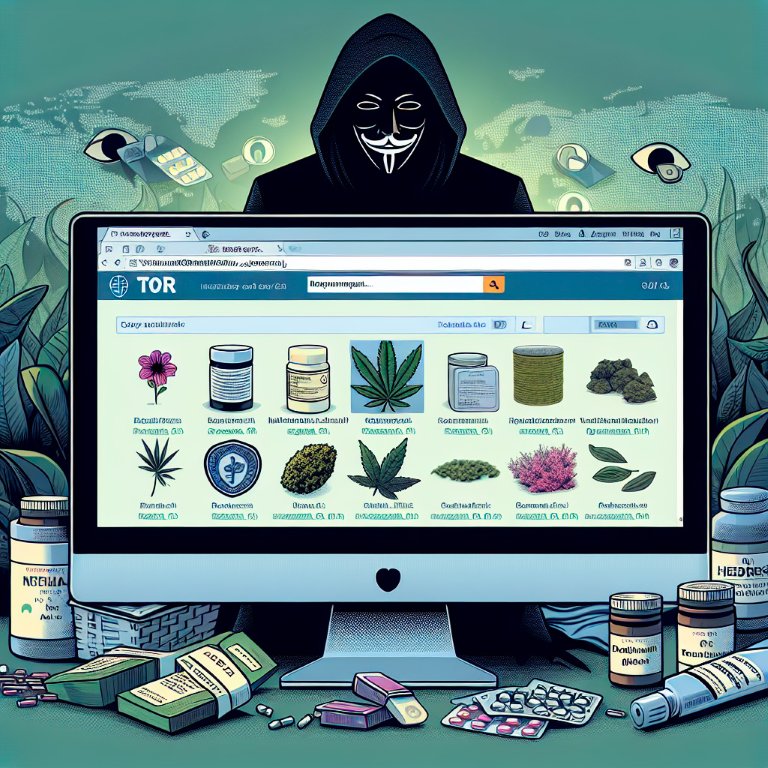
How a Good Darknet Market Builds Trust and Works Smoothly
The operational model of a successful darknet marketplace is a direct response to consumer demand for discretion and reliability. It functions on a principle of decentralized facilitation, where the platform itself does not hold inventory but provides the necessary tools for peer-to-peer exchange. This model creates a self-sustaining ecosystem where security, trust, and efficiency are not optional but foundational.
The process begins with vendor onboarding, where established sellers present their goods. Customer access is managed through specialized software that ensures anonymity. The financial backbone is cryptocurrency, with Bitcoin and Monero being predominant, allowing for transactions that are pseudonymous and difficult to trace. This payment method is integrated directly into the marketplace's escrow system.
Trust is engineered through transparent user reputation systems. Every completed transaction culminates in a public feedback rating and detailed review, creating an immutable record of performance for both buyers and sellers. This system incentivizes high-quality service and product consistency. Disputes are mitigated by automated escrow services, which hold the buyer's cryptocurrency in custody until the goods are received and confirmed, only then releasing the funds to the vendor.
The resilience of these platforms is notable. They employ a distributed server architecture, often leveraging hidden services, which provides significant uptime and resistance to takedowns. This operational stability ensures continuous service availability, meeting consistent market demand. The model proves that a well-structured, user-driven platform can effectively facilitate private trade by systematically addressing the core requirements of its participants.