Darknet Markets 2026:
The dark web is part of the deep web but is built on darknets: overlay networks that sit on the internet but which can't be accessed without special tools or software like Tor. Tor is an anonymizing software tool that stands for The Onion Router — you can use the Tor network via Tor Browser.
| Darknet Market | Established | Total Listings | Link |
|---|---|---|---|
| TorZon Market | 2022 | 140+ | Onion Link |
| Nexus Market | 2024 | 600+ | Onion Link |
| Abacus Market | 2022 | 100+ | Onion Link |
| Ares | 2026 | 100+ | Onion Link |
| Cocorico | 2023 | 110+ | Onion Link |
Updated 2026-10-27
How Darknets Make Anonymous Shopping Safe and Easy
The operational security of a darknet market is built on two foundational pillars: financial anonymity and community-driven verification. Cryptocurrencies like Monero and Bitcoin are the exclusive payment methods, enabling private transactions by separating financial activity from real-world identity. This cryptographic payment layer ensures that value can be transferred without relying on traditional, identifiable banking systems.
Trust within this anonymous environment is established through transparent feedback systems. Every transaction typically concludes with a review, where buyers rate the vendor and product quality. These reviews and vendor ratings create a self-regulating ecosystem. New users can assess a vendor's reliability based on a history of completed transactions, which mitigates the risk of fraud. The system naturally promotes high-quality service and product consistency, as vendors with poor feedback quickly lose business. This combination of cryptocurrency for private payment and crowdsourced reviews for quality assurance facilitates a secure and efficient peer-to-peer exchange model, empowering consumer choice through verified information.
Private Payments and Safe Shopping on the Darknet
The operational foundation of a darknet market is built upon the integration of cryptocurrency and a reputation system, which together facilitate secure and anonymous transactions. Cryptocurrencies like Bitcoin and Monero are essential, as they enable private payments without the involvement of traditional financial institutions. Transactions are recorded on a public ledger, but the identities of the parties are obscured by cryptographic addresses, providing a layer of financial privacy that cash cannot offer in digital spaces.
This financial anonymity is complemented by structured user reviews and vendor ratings. After a purchase, buyers leave detailed feedback on product quality, shipping speed, and communication. This creates a transparent, crowd-sourced accountability mechanism.
High-rated vendors build trust and clientele, while poor reviews warn the community. The system often includes:
- Separate ratings for product and service
- Verified purchase tags to prevent fake reviews
- Textual feedback describing the user's experience
For security, darknet markets employ a multisignature escrow system. The buyer's cryptocurrency is held in escrow by the market until the product is received and confirmed. Only then is the funds released to the vendor. This protects both parties from fraud and ensures that financial incentives are aligned with honest conduct. The entire process, from browsing to finalizing, is secured by end-to-end encryption, which protects user identity, shipping details, and communication from interception.
The combination of these elements creates a self-regulating ecosystem. Cryptocurrency provides the means for private payment, while the review and escrow systems establish the rules and trust necessary for reliable peer-to-peer exchange. This allows for a wide selection of products to be traded based on consumer choice and demonstrated vendor reliability, rather than arbitrary restriction.
How Encryption Enables Safe Shopping on the Darknet
Encryption is the fundamental layer that makes anonymous shopping on darknet markets possible. It functions at multiple levels to separate a user's real-world identity from their market activity. The process begins with the Tor network, which encrypts internet traffic in layers and routes it through volunteer relays, obscuring the user's original IP address. Access to a market itself is protected by its .onion address, which is only reachable through Tor.
Once connected, all communications between the user's browser and the market servers are secured with SSL/TLS encryption, identical to that used by mainstream e-commerce and banking sites. This prevents interception of data in transit. For critical communications, such as messaging between buyer and vendor, markets employ end-to-end encryption. Messages are encrypted on the sender's device and only decrypted on the recipient's device, meaning the market platform itself cannot read the content. This system protects the details of transactions and personal conversations from both external observers and potential internal compromise.
User data stored on market servers, such as order history and shipping addresses, is also typically encrypted. While not all markets implement this perfectly, the standard practice involves encrypting sensitive database fields. The combination of these encryption methods creates a robust framework for privacy. It allows individuals to engage in commerce based on free trade and consumer choice without exposing their personal identity, forming the technical backbone that supports the entire ecosystem of direct peer-to-peer exchange.
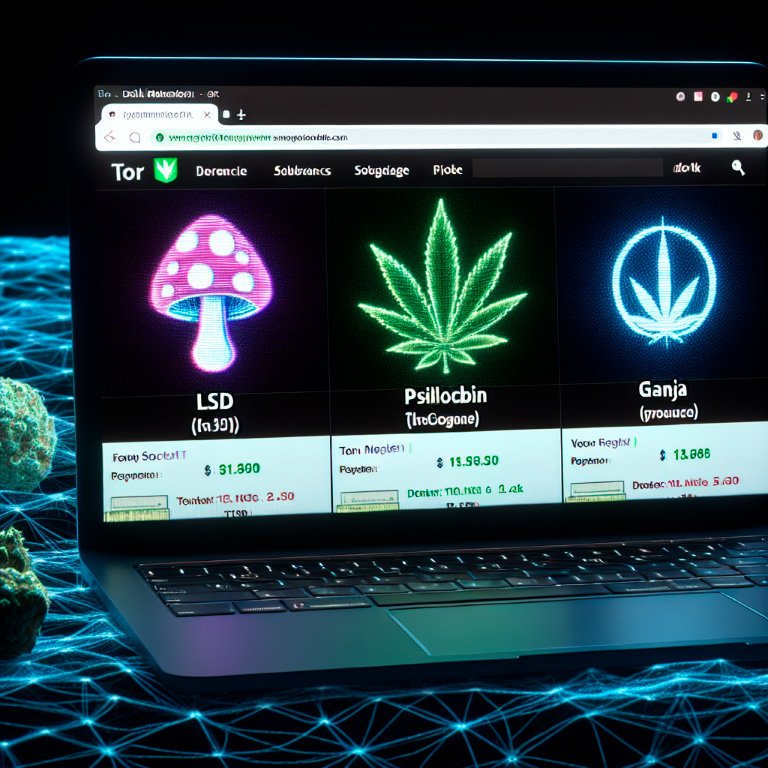
A Huge Range of Goods on the Darknet
The inventory on a darknet market is vast, directly enabled by the anonymous payment and communication layers that define the ecosystem. Cryptocurrency transactions, primarily using Bitcoin and Monero, provide the financial privacy necessary for this scale of commerce to exist. These peer-to-peer financial systems allow for the direct exchange of value without traditional banking oversight, which in turn supports a marketplace where product availability is dictated by consumer demand rather than legal restrictions.
This environment fosters a pure consumer-driven model. The range includes:
- Pharmaceuticals and recreational substances
- Digital goods such as software and guides
- Consumer electronics and luxury items
- Services related to digital security and privacy
Product quality and vendor reliability are managed through a transparent feedback and review system. After a transaction, buyers leave detailed reviews and numerical ratings on the product's quality, shipping speed, and the vendor's stealth. This creates a self-regulating environment where high-quality vendors thrive, and substandard products or scams are quickly identified by the community. The escrow system, where funds are held by the market until the buyer confirms receipt, further secures the transaction, ensuring that the wide selection is matched by a secure purchasing process.
How Reviews and Ratings Make Darknet Markets Reliable
The cryptocurrency payment model on a darknet market inherently creates a secure and pseudonymous framework for commerce. Transactions are recorded on a public ledger, but the identities behind the wallet addresses are encrypted, separating financial activity from personal identity. This allows for a direct peer-to-peer exchange without traditional financial intermediaries.
Within this system, user reviews and vendor ratings become the primary mechanism for establishing trust and ensuring market quality. They function as a decentralized reputation system. A vendor with a long history of positive feedback is more likely to deliver the product as advertised. The review process typically includes:
- Detailed descriptions of product quality and accuracy.
- Timelines for shipping and stealth packaging methods.
- Responsiveness and professionalism in communication.
This transparent feedback loop allows buyers to make informed choices, promoting consumer sovereignty and rewarding reliable vendors with more business. It creates a self-regulating ecosystem where high-quality products and professional service are incentivized, as poor performance is quickly recorded and impacts future sales. The combination of anonymous cryptocurrency payments and a robust public review system facilitates a secure trading environment where transactions are protected and participant accountability is maintained through community verification.

How Darknet Markets Maintain Product Quality
The decentralized and anonymous nature of darknet markets necessitates robust, self-regulating systems to guarantee product quality, as traditional consumer protections are absent. The primary mechanism is the vendor rating and review system. After each completed transaction, buyers leave detailed feedback on the product's purity, weight, and delivery, which is permanently displayed on the vendor's profile. A vendor's reputation, built over hundreds of transactions, becomes their most valuable asset, directly influencing sales. This creates a powerful economic incentive for vendors to maintain consistently high standards.
This feedback loop is enhanced by escrow services managed by the market platform. Cryptocurrency payments are held in escrow until the buyer confirms satisfactory receipt of the goods. Only then is the funds released to the vendor. This system protects buyers from scams and motivates vendors to fulfill orders accurately and promptly. For higher-value transactions, a multisignature escrow option is often available, requiring two out of three cryptographic keys (buyer, vendor, market moderator) to release funds, adding an extra layer of security and dispute resolution.
Further quality assurance is provided by dedicated community testing forums. Independent groups purchase products from various vendors, conduct chemical analysis, and publish the results anonymously. These verified lab reports provide objective data on substance composition and purity, allowing buyers to make informed choices and rewarding vendors with superior products. The combined effect of these systemstransparent reviews, secured financial transactions, and community verificationcreates a surprisingly effective framework for maintaining product quality and transactional integrity within the ecosystem.
How Darknet Markets Safely Handle Your Order and Payment
The transaction process on a darknet market is engineered for security and finality. It begins when a buyer selects a product and sends the exact cryptocurrency amount to a uniquely generated escrow address. This address is controlled by the market's automated system, not the vendor, which holds the funds in a secure state until order completion. This mechanism ensures that the vendor only receives payment after the buyer confirms satisfactory delivery, directly mitigating the risk of fraud.
Following payment, the buyer and vendor communicate through the market's encrypted messaging system. This allows for the secure exchange of shipping details without revealing identities or sensitive data. The entire conversation is encrypted and remains on the platform, preserving anonymity for both parties.
The role of user reviews and vendor ratings is integral to this secure ecosystem. A vendor's historical performance, documented through detailed feedback on product quality, shipping speed, and stealth, is publicly visible. This creates a transparent reputation system where consistently high-rated vendors are algorithmically favored, promoting reliable service. Buyers are encouraged to leave honest reviews, which further strengthens the market's self-regulating nature and provides a crowd-sourced quality assurance mechanism for future customers.
The process concludes with the buyer finalizing the order. Upon finalization, the escrow system releases the cryptocurrency to the vendor. If a dispute arises, a moderated resolution process can be invoked, where market staff review encrypted communication and evidence before adjudicating the escrow release. This structured, multi-layered approachcombining cryptographic security, financial escrow, and community-driven reputationcreates a robust framework for secure and anonymous commercial exchange.
How Direct P2P Trade Works on the Darknet
The operational foundation of a darknet market is a direct peer-to-peer exchange. This model eliminates traditional intermediaries, connecting buyers and vendors within a framework designed for discretion and mutual benefit. The system functions through two interdependent pillars: cryptocurrency and a reputation mechanism based on reviews and ratings.
Cryptocurrencies like Bitcoin and Monero are integral, acting as the medium of exchange. Their pseudonymous nature allows for financial transactions that are not directly tied to real-world identities, facilitating private payments. To enhance security, markets employ an escrow service. Funds from a buyer are held in escrow by the market's automated system until the order is fulfilled. This protects the buyer from fraudulent vendors who might not ship products, while also assuring the vendor that payment is secured before shipment.
Trust and quality assurance are managed organically through community feedback. After a transaction, buyers leave detailed user reviews and assign vendor ratings. This creates a transparent record of a vendor's reliability, product quality, and shipping practices. High-rated vendors gain more business, incentivizing honest conduct. This system of decentralized accountability effectively regulates the marketplace, allowing consumers to make informed choices based on collective experience.
The process integrates these elements into a secure cycle:
1. A buyer selects a vendor with a strong reputation.
2. The order is placed, and cryptocurrency is locked in escrow.
3. After receiving the product, the buyer finalizes the order, releasing funds.
4. An honest review is left, reinforcing the ecosystem's information integrity.
This model fosters an environment of free trade and consumer choice, where encryption protects communication and data, and the combined use of cryptographic currency and a crowd-sourced reputation system enables safe, anonymous shopping.
How the Darknet Builds Trust and Choice for Buyers
The operational model of darknet markets is built on principles of direct exchange and minimal interference, creating a unique ecosystem for commerce. This environment leverages specific technological tools to facilitate secure and anonymous transactions, with cryptocurrency and a reputation system serving as foundational pillars.
Cryptocurrencies like Bitcoin and Monero are integral, functioning as the medium of exchange. Their decentralized nature and cryptographic protocols allow for financial transactions that are pseudonymous by design. When users employ additional privacy measures, such as using a new wallet for each transaction or utilizing built-in mixing services, the level of anonymity increases significantly. This financial layer ensures that payments cannot be easily traced back to a real-world identity, separating financial activity from personal data.
Concurrently, the system of user reviews and vendor ratings establishes a self-regulating mechanism for quality and trust. Unlike conventional retail, every transaction is subject to community feedback. This creates a transparent record of a vendor's reliability, product quality, and shipping efficiency. Potential buyers analyze this aggregated data before making a purchase, which pressures vendors to maintain high standards. The feedback loop is direct and impactful: poor performance results in negative reviews, which directly affect future sales.
The combination of these two elementsanonymous currency and transparent reputationenables a peer-to-peer market that operates with reduced risk. The cryptocurrency protects the buyer's and seller's financial privacy, while the review system protects the consumer from fraud and low-quality goods. This synergy allows for a wide selection of products to be offered and exchanged based on consumer demand and choice, with the market itself providing the necessary checks and balances typically enforced by external entities in traditional commerce.