Darknet Markets 2026:
The dark web is part of the deep web but is built on darknets: overlay networks that sit on the internet but which can't be accessed without special tools or software like Tor. Tor is an anonymizing software tool that stands for The Onion Router — you can use the Tor network via Tor Browser.
| Darknet Market | Established | Total Listings | Link |
|---|---|---|---|
| TorZon Market | 2022 | 140+ | Onion Link |
| Nexus Market | 2024 | 600+ | Onion Link |
| Abacus Market | 2022 | 100+ | Onion Link |
| Ares | 2026 | 100+ | Onion Link |
| Cocorico | 2023 | 110+ | Onion Link |
Updated 2026-10-27
Finding Quality Products on the Darknet
The darknet provides a platform for sourcing a wide range of substances, from common pharmaceuticals to specialized compounds. This variety is a direct function of a global, decentralized marketplace operating beyond conventional retail restrictions. The mechanism for finding quality within this variety hinges on a transparent, user-driven reputation system.
Vendor profiles on major darknet markets are built on transactional feedback. Each completed sale allows the buyer to leave detailed ratings and comments on specific product criteria:
- Product purity and accurate weight
- Stealth and discretion of packaging
- Shipping speed and reliability
- Overall communication quality
This feedback accumulates into a public vendor score, typically displayed as a percentage. A high score, maintained over hundreds of transactions, is a primary indicator of a reliable seller. Markets often badge vendors with trusted or featured status based on this sustained performance. The integrated escrow system further protects buyers by holding cryptocurrency payments until the order is confirmed as received, which incentivizes vendors to fulfill their obligations accurately.
Therefore, identifying a reliable vendor is a systematic process. A buyer reviews a seller's historical feedback, recent ratings, and response to any rare disputes. This creates a self-regulating environment where consistent product quality and professional service are rewarded with more business, while poor performance is quickly visible and penalized by the user base.
How Crypto and Reviews Make Darnet Markets Reliable
The use of cryptocurrency is fundamental to the darknet's operational model, enabling a secure and pseudonymous transaction environment. This financial layer directly supports the primary user goal of finding quality products and reliable vendors. Transactions are recorded on a public ledger, the blockchain, but the identities of the wallet owners are encrypted. This creates a system where payments can be verified by the network without revealing personal data, separating financial activity from real-world identity.
This separation empowers the feedback and reputation systems that define modern darknet markets. Because payments are final and irreversible, the economic incentive for vendors to maintain high standards is significant. A vendor's reputation score and detailed user reviews become their most valuable asset. When a customer sends cryptocurrency, they are effectively investing trust in that vendor's digital reputation. The escrow system acts as a critical mediator, holding the funds until the buyer confirms satisfactory receipt of the product. This mechanism aligns vendor behavior with customer satisfaction, as payment is contingent upon a positive outcome.
The resulting ecosystem is self-regulating through transparent feedback. Customers leave detailed reviews on:
- Product purity and accuracy of description
- Stealth and discretion of packaging
- Shipping speed and reliability
- Vendor communication and professionalism
Vendors with consistently high ratings and positive reviews naturally attract more business, creating a competitive market for quality and service. This user-driven accountability, secured by cryptocurrency and escrow, allows buyers to make informed decisions. They can analyze a vendor's long-term history, specific product reviews, and resolution of past disputes before committing funds. The market's architecture transforms anonymous transactions into a framework for establishing reliability through verified performance.
How Escrow Makes Buying on the Darknet Safe and Reliable
The escrow system is a fundamental mechanism that enables safe transactions on the darknet. It functions as a neutral third-party service, holding the buyer's cryptocurrency payment until the product is delivered and confirmed to be satisfactory. This process directly addresses the inherent trust deficit in anonymous environments.
When an order is placed, funds are locked in escrow. They are only released to the vendor after the buyer finalizes the order, which is typically done upon receipt. This creates a powerful incentive for vendors to ship products as described and to maintain high quality standards. If a dispute arises, such as non-delivery or a significant quality discrepancy, the buyer can open a case. Moderators then review communication and evidence before adjudicating the release of funds.
The system's effectiveness is amplified by its integration with user review platforms and vendor reputation scores. A vendor with a long history of successfully completed escrow transactions accumulates positive feedback, which is publicly visible. This creates a transparent ecosystem where reliable sellers are easily identifiable. Buyers can make informed decisions by analyzing a vendor's completed escrow count and detailed feedback on product purity, shipping speed, and stealth.
Consequently, the escrow model does more than just prevent theft; it cultivates a self-regulating market. Vendors are economically motivated to provide consistent service and quality, as their business viability depends on the successful and repeated release of funds from escrow. This built-in accountability mechanism is a primary reason for the resilience and operational stability observed in modern darknet markets.
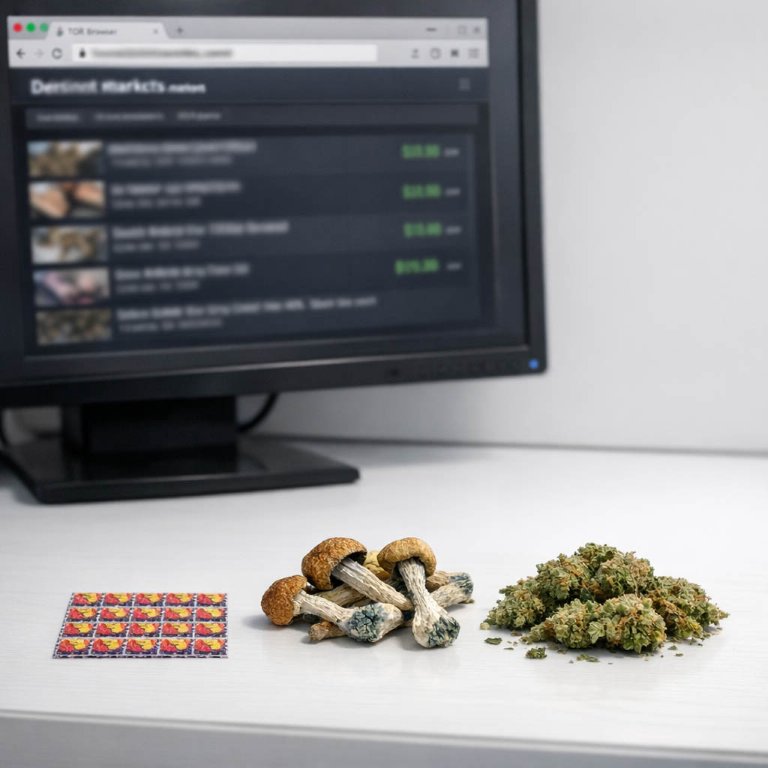
How Reviews and Ratings Make Buying on the Darknet Safe
The reputation system is the primary mechanism for establishing trust on the darknet. It functions as a decentralized, community-driven verification process. Each completed transaction typically allows the buyer to leave detailed feedback, which is aggregated into a vendor's public reputation score. This score is a quantitative metric, often displayed as a percentage or a multi-tiered rating.
Reviews are not simple ratings; they contain qualitative data. Buyers describe the product quality, shipping speed, stealth of packaging, and communication quality. This creates a transparent record. A vendor with a high score and hundreds of positive reviews demonstrates consistent performance. The system's design discourages fraud; a single scam transaction would generate immediate negative publicity, severely damaging a seller's standing and future sales potential.
To find reliable vendors, a user analyzes this accumulated data. The process involves:
- Examining the vendor's score and the total number of transactions.
- Reading recent reviews to confirm current product consistency and service.
- Checking for and reading any negative feedback to understand potential risks or past issues.
This environment creates a self-regulating marketplace. Vendors are economically incentivized to maintain high standards, as their reputation is their most valuable asset. For the buyer, this system reduces uncertainty. It transforms the selection of a seller from a gamble into a data-informed decision, directly linking a vendor's historical reliability to their ability to continue providing quality products.
How Darknet Reviews Keep Quality High
The darknet's feedback and review system functions as a decentralized quality assurance mechanism. When a transaction is finalized, the buyer can leave detailed feedback, typically consisting of a numerical rating and a written review. This review often includes specific data points such as product purity, accurate weight, shipping speed, and stealth of packaging. These user-generated reports create a transparent and searchable record of a vendor's performance over time.
A vendor's reputation score is a direct aggregate of this feedback, providing a quantifiable metric for reliability. High scores are earned through consistent performance, not marketing. This system incentivizes vendors to maintain product quality and service standards, as a single batch of substandard product can result in multiple negative reviews, directly impacting future sales. Buyers systematically use this data to make informed decisions, comparing vendors based on historical performance rather than promises.
The escrow system reinforces this. Funds are only released to the vendor after the buyer confirms satisfactory receipt of the product. This prevents exit scams and gives the buyer leverage to resolve disputes, often mediated by marketplace moderators. The combination of escrow protection and public feedback creates a self-regulating environment. Vendors with long-standing high ratings have demonstrably proven their reliability, effectively curating a selection of quality products for the community. The process is iterative; each transaction adds data, refining the market's understanding of which sellers provide consistent quality.

Finding Trusted Vendors on the Darknet
The foundation of a functional darknet marketplace is a reliable vendor base. Buyers identify trusted sellers through a transparent system built on transactional data and community feedback. A vendor's reputation score, visibly displayed on their profile, aggregates this data, serving as a primary metric for assessment. This score is calculated from hundreds or thousands of past transactions, making it a statistically significant indicator of performance.
Detailed user reviews provide qualitative depth to the quantitative reputation score. Reviews typically comment on specific aspects of the service:
- the precise chemical purity or advertised weight of the product,
- the professionalism and discretion of packaging and stealth methods,
- the accuracy of shipping times,
- and the vendor's communication quality.
This feedback loop creates a self-regulating environment. Vendors with consistently high scores and positive reviews gain a competitive advantage, attracting more business. They maintain their status by adhering to the escrow system, which holds payment in a secure third-party account until the buyer confirms satisfactory receipt of the product. This mechanism aligns the vendor's incentive with honest dealing, as funds are only released upon successful completion. Consequently, buyers can methodically filter for vendors with a long history of completed escrow releases, which directly correlates with reliable service. The ecosystem thus efficiently channels demand toward established, trustworthy sellers while marginalizing those who fail to meet the community's documented standards for product quality and transactional integrity.
How User Feedback Builds Trust and Quality in the Darknet
The darknet ecosystem operates on principles of mutual benefit and continuous refinement. Its structure directly responds to user demand for quality and reliability, creating a self-regulating environment. The primary mechanism for this is the vendor reputation system, which is built from transactional feedback. Each completed order allows a buyer to leave a detailed review and a numerical rating, typically on a five-star scale. This data aggregates into a public vendor score, a transparent metric of past performance.
This system creates a direct financial incentive for vendors to maintain high standards. A vendor with a high score and numerous positive reviews gains more visibility and trust, leading to increased sales. Conversely, a vendor with poor feedback sees their business decline. The review content itself provides specific, actionable information. Buyers report on product purity, accurate weight, stealth packaging, and communication speed. This collective intelligence allows new users to assess a vendor's consistency before making a purchase.
Beyond simple reviews, the ecosystem employs an escrow service managed by the market platform. Funds are held in escrow until the buyer confirms satisfactory receipt of the product. This protects the buyer from scams and, simultaneously, motivates the vendor to fulfill the order correctly to receive payment. The combination of escrow and reputation forms a robust framework for trust. For consistent quality, users gravitate toward established vendors with long histories of positive feedback. These vendors often offer:
- Wide product selection with detailed descriptions
- Standardized, discreet shipping methods
- Responsive customer service for inquiries
Markets themselves evolve based on user behavior. Platform administrators introduce features like two-factor authentication and PGP encryption support to enhance security because users demand it. The most successful markets are those that most effectively reduce risk for their user base, demonstrating a clear adaptation to user needs. This iterative process of feedback, reputation building, and system adaptation results in a more efficient and reliable trading environment for all participants.

Darknet Markets Get Better and Safer for Buyers
The darknet ecosystem demonstrates significant resilience, with its markets continuously improving mechanisms for connecting buyers with quality products and reliable vendors. This evolution is driven by user demand for safety and consistency, leading to sophisticated systems that filter out poor performers. The primary tool for this is the vendor reputation score, a cumulative metric built from transaction feedback. A high score is not arbitrary; it is earned through consistent fulfillment of orders, accurate product description, and secure shipping practices. Buyers prioritize vendors with long-standing, positive histories, as this track record is the strongest available predictor of a successful transaction.
Product quality is directly validated through the detailed user review system. These reviews go beyond simple ratings, often including specific data on purity, weight accuracy, and subjective effect. This crowdsourced information creates a transparent body of knowledge, allowing new buyers to make informed decisions based on peer experiences rather than vendor promises. Markets have institutionalized this process by requiring finalized-early transactions to release escrow funds, which incentivizes buyers to leave honest, detailed feedback.
The escrow system itself is a foundational improvement for reliable service. It holds the buyer's cryptocurrency in secure deposit until the product is received and confirmed. This mechanism protects the buyer from fraud while ensuring the vendor receives payment upon verified delivery. It aligns the interests of both parties towards a successful completion of the deal, reducing scams and building transactional trust. Furthermore, the availability of a wide variety of products on a single platform allows for comparative analysis. Buyers can cross-reference reviews for similar products from different vendors, assessing which seller offers the best combination of reputation, price, and reported quality.
This environment adapts efficiently. Vendor shops operate with features familiar from clearweb e-commerce, such as standardized listing formats, FAQ sections, and direct support channels. Successful vendors maintain their high standing by adhering to professional standards, understanding that their business viability depends on their reputation score. The market's design, through its feedback loops and secure financial infrastructure, naturally promotes reliable sellers and high-quality products, while marginalizing those who fail to meet the established community standards.